
Menstrual Cycle Brochure
Menstrual Cycle Brochure - The menstrual cycle is a repeating process for people who menstruate that begins at puberty and ends at menopause. Menstrual cycles are as unique as the women who experience them. Women and girls typically get 12 to13 periods What is it and why do we get it? A period is sometimes called menstruation. What is a menstrual cycle? A period naturally happens for people with a vulva who have started puberty. Menstruating is the same thing as having your. The biological purpose of the menstrual cycle is reproduction. We can learn a lot about our health and fertility from our menstrual cycle. Having regular menstrual cycles is a sign that important. What is the menstrual cycle? What is a menstrual cycle? Menstruation is a woman’s monthly bleeding, often called your “period.” during your monthly menstrual cycle, your uterus lining builds up to prepare for pregnancy. Get the basics about your menstrual cycle. We present information about how menstruation is a. Gain an understanding of the menstrual cycle phases with our menstrual cycle phases chart, which aids fertility awareness and reproductive health. The biological purpose of the menstrual cycle is reproduction. Whether you’re waiting for your first period or have been getting them for a while, just. Any mentions of ‘women’ or ‘female’ by this resource. Menstruation is the elimination of the internal lining of the uterine wall along with other. While there are general guidelines — such as a cycle length of 21 to 35 days and bleeding that lasts between two to. We can learn a lot about our health and fertility from our menstrual cycle. Menstruation, the follicular phase, ovulation and the luteal. Get the basics about your menstrual cycle. • access to clean absorbent material to collect menstrual blood. According to the united nations children’s fund (unicef), 1.8. The number of days from the start of one period to the day before the start of the next period. Women and girls typically get 12 to13 periods What is the menstrual cycle? If you do not get. • access to clean absorbent material to collect menstrual blood. The menstrual phase, the follicular phase, the ovulatory phase and. Any mentions of ‘women’ or ‘female’ by this resource. All women have different menstrual cycles. We can learn a lot about our health and fertility from our menstrual cycle. When periods (menstruations) come regularly, this is called the menstrual cycle. Menstruation, the follicular phase, ovulation and the luteal phase. Menstruating is the same thing as having your. The number of days from the start of one period to the day before the start of the next period. Answers common questions about menstruation. The menstrual cycle is the changes in hormones that occurs in a cyclical way throughout a woman’s reproductive years, from puberty to menopause. What is the menstrual cycle? What is the menstrual cycle? The menstrual phase, the follicular phase, the ovulatory phase and. The main hormones of the menstrual cycle are estrogen, progesterone, follicle stimulating hormone, and luteinizing. While there are general guidelines — such as a cycle length of 21 to 35 days and bleeding that lasts between two to. What is it and why do we get it? We can learn. The number of days from the start of one period to the day before the start of the next period. Gain an understanding of the menstrual cycle phases with our menstrual cycle phases chart, which aids fertility awareness and reproductive health. Having regular menstrual cycles is a sign that important. Any mentions of ‘women’ or ‘female’ by this resource. Menstruation. • an understanding of basic facts linked to the menstrual cycle and how to manage it without discomfort and fear. Any mentions of ‘women’ or ‘female’ by this resource. The number of days from the start of one period to the day before the start of the next period. The menstrual cycle is a repeating process for people who menstruate. What is it and why do we get it? While there are general guidelines — such as a cycle length of 21 to 35 days and bleeding that lasts between two to. What is a menstrual cycle? Whether you’re waiting for your first period or have been getting them for a while, just. Uses illustrated chart to explain menstrual cycle. • access to clean absorbent material to collect menstrual blood. Whether you’re waiting for your first period or have been getting them for a while, just. Menstruating is the same thing as having your. Menstrual cycles can be irregular in the first few years after periods begin. What is a menstrual cycle? Get the basics about your menstrual cycle. What is the menstrual cycle? The menstrual cycle is typically 28 days long, but anywhere from 21 to 35 days is considered normal. While there are general guidelines — such as a cycle length of 21 to 35 days and bleeding that lasts between two to. Any mentions of ‘women’ or ‘female’ by this resource. According to the united nations children’s fund (unicef), 1.8. The menstrual cycle is the time from the first day of your period to the day before your next period. • access to clean absorbent material to collect menstrual blood. Uses illustrated chart to explain menstrual cycle. Having regular menstrual cycles is a sign that important. Menstruating is the same thing as having your. What is a menstrual cycle? Menstrual cycles can be irregular in the first few years after periods begin. All women have different menstrual cycles. Answers common questions about menstruation. The menstrual cycle is the changes in hormones that occurs in a cyclical way throughout a woman’s reproductive years, from puberty to menopause.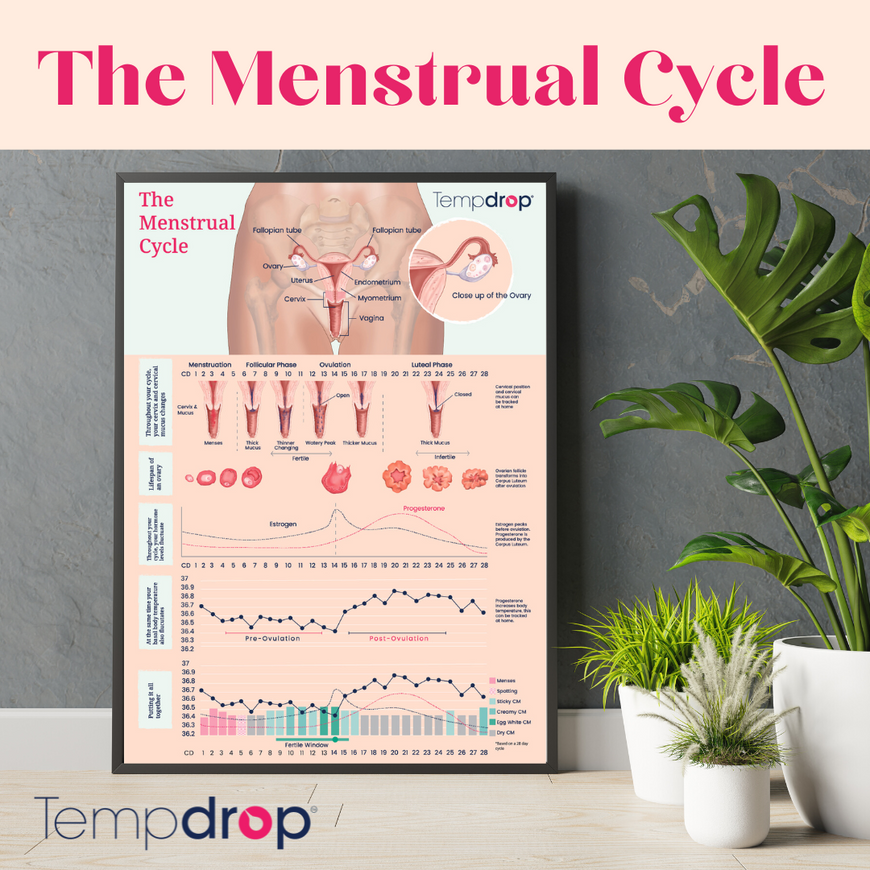
Menstrual Cycle Poster

The 4 Stages of the Menstrual Cycle Aunt Flow
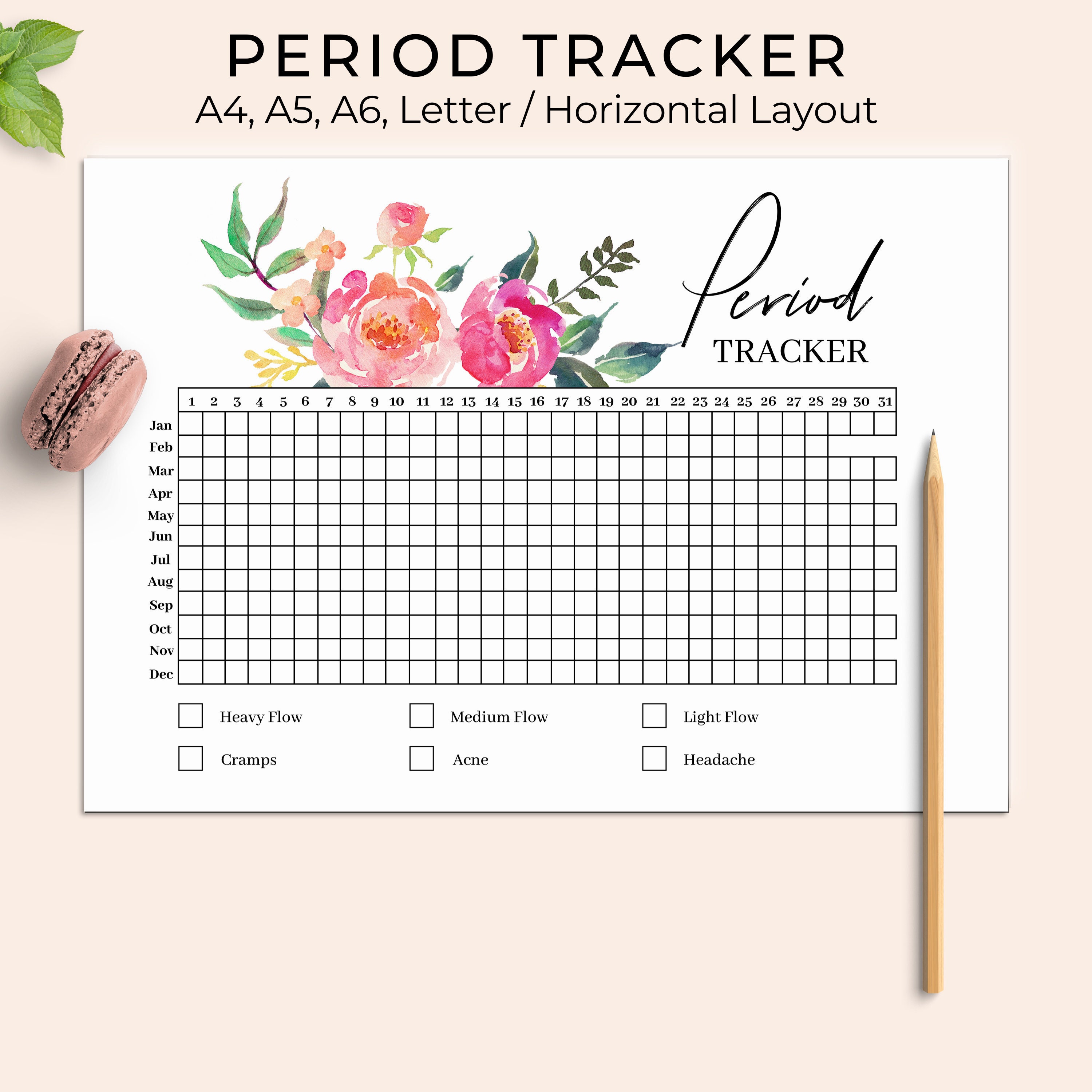
Period Tracker Printable Floral Menstrual Tracker Cycle Etsy Australia

Menstrual Education by Sofia Martins at
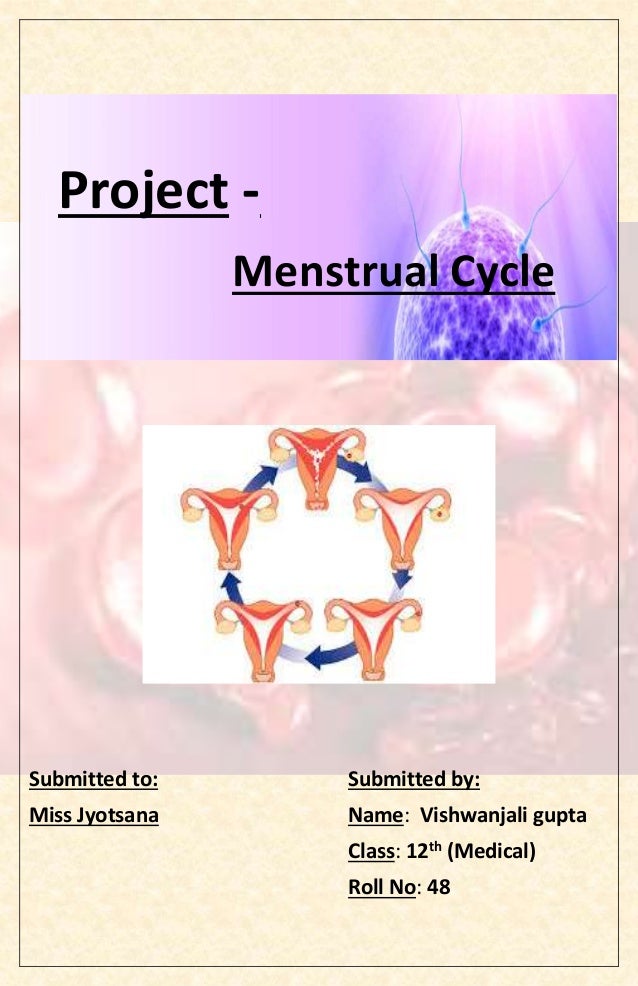
Menstrual Cycle
Menstrual Brochure PDF Menstrual Cycle Menstruation
Eveline Trifold Brochure English 20220126 PDF Luteinizing Hormone

Menstrual Cycle Guide, Teaching Children Menstrual Cycle Awareness, 30

Phases of the Menstrual Cycle

Menstrual Cycle A Guide to the Phases of Menstrual Cycle
Menstruation, The Follicular Phase, Ovulation And The Luteal Phase.
Each Cycle Is Divided Into Four Phases:
Who Is Likely To Have These?
The Number Of Days From The Start Of One Period To The Day Before The Start Of The Next Period.
Related Post:

