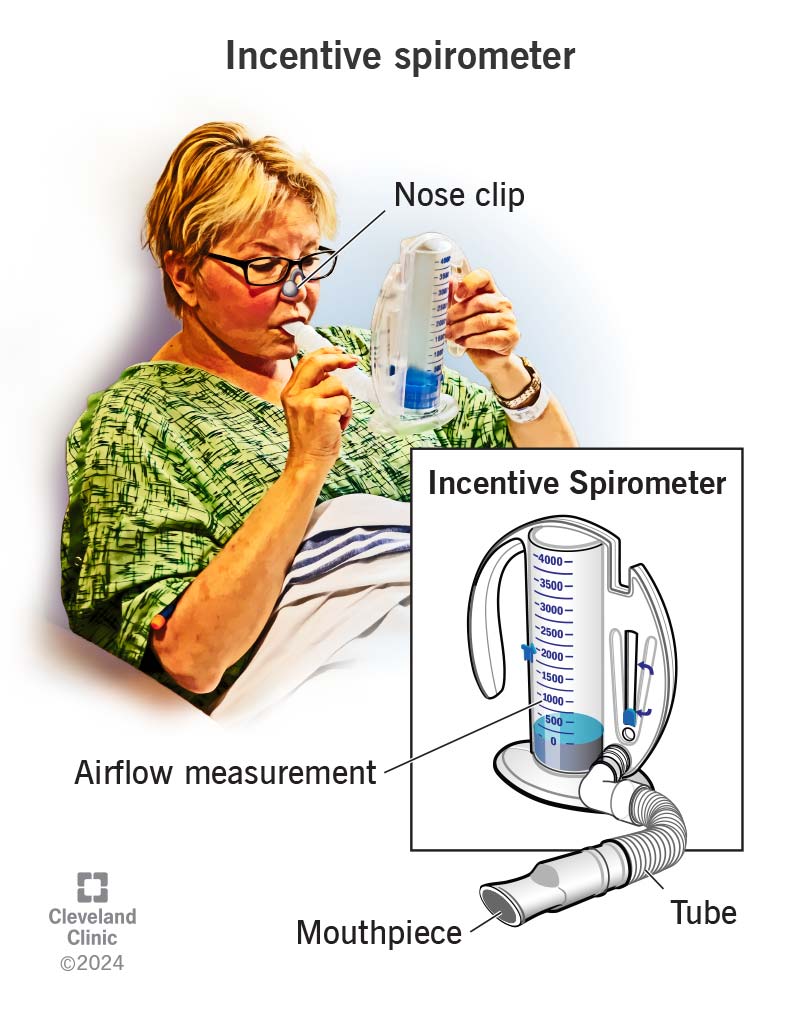
Incentive Spirometer Brochure
Incentive Spirometer Brochure - An incentive spirometer is a device that helps patients breathe deeply after surgery. It works by encouraging you to take. You may find it challenging to use the device at first, but keep it up!. It’s important to use your incentive spirometer after your surgery. This can help reduce the chance of developing breathing. A deep breath will splint open the airways within your lungs, filling your lungs with air. An incentive spirometer is a device that measures how deeply you can inhale (breathe in). What is an incentive spirometer? It also helps lower the risk of breathing problems if you have a lung disease or condition. An incentive spirometer is a medical device that is used to help deep breathing. An incentive spirometer is a device that helps you do deep breathing exercises after surgery. You may find it challenging to use the device at first, but keep it up!. Incentive spirometer purpose the purpose of the deep breathing exercise is to expand your lungs regularly and prevent breathing complications, such as pneumonia after surgery. It is often used to help prevent breathing problems after. An incentive spirometer is a tool that measures how well you are filling your lungs with each breath. • improve how much air goes in and out. It enables you to measure how deep your breath is and provides a visual cue that the desired lung volume and performance has been achieved. In this article, we’ll look at who might benefit from using an incentive spirometer, break down how spirometers work, and explain how to interpret the results. What is an incentive spirometer? Exercises your lungs and makes. An incentive spirometer is a device that measures how deeply you can inhale (breathe in). What is an incentive spirometer? An incentive spirometer is a device that helps patients breathe deeply after surgery. These deep breathing exercises expand the lungs, help prevent pneumonia and improve lung function by:. Experts in lung functionunique technologysuperior customer support Learning to take long, deep breaths using this tool can help you keep your. An incentive spirometer is a device that measures how deeply you can inhale (breathe in). Hold the incentive spirometer in an upright position. • improve how much air goes in and out. It is often used to help prevent breathing problems after. • improve how much air goes in and out. Helps your lungs expand so you can take deep, full breaths. What is an incentive spirometer? Learning to take long, deep breaths using this tool can help you keep your. An incentive spirometer is a device that helps you do deep breathing exercises after surgery. An incentive spirometer is a simple tool that can help you learn to take long, deep breaths to keep your lungs clear and active. How to use the incentive spirometer 1. An incentive spirometer is used to assist patients to take a deep breath in, filling the lungs with air. It works by encouraging you to take. This can help. A deep breath will splint open the airways within your lungs, filling your lungs with air. It works by encouraging you to take. Helps your lungs expand so you can take deep, full breaths. It enables you to measure how deep your breath is and provides a visual cue that the desired lung volume and performance has been achieved. Learning. These deep breathing exercises expand the lungs, help prevent pneumonia and improve lung function by:. It enables you to measure how deep your breath is and provides a visual cue that the desired lung volume and performance has been achieved. It helps you take slow, deep breaths to expand and fill your lungs with air. The respirometer is used to. It’s important to use your incentive spirometer after your surgery. These deep breathing exercises expand the lungs, help prevent pneumonia and improve lung function by:. It enables you to measure how deep your breath is and provides a visual cue that the desired lung volume and performance has been achieved. An incentive spirometer is a device that measures how deeply. It helps you take slow, deep breaths to expand and fill your lungs with air. It helps you take slow, deep breaths to expand and fill your lungs with air. The respirometer is used to help improve lung. Helps your lungs expand so you can take deep, full breaths. Incentive spirometer purpose the purpose of the deep breathing exercise is. You may find it challenging to use the device at first, but keep it up!. An incentive spirometer is a medical device that helps your lungs recover after surgery or a lung illness. It works by encouraging you to take. Learning to take long, deep breaths using this tool can help you keep your. An incentive spirometer is a device. It is often used to help prevent breathing problems after. An incentive spirometer is a device that helps you do deep breathing exercises after surgery. Incentive spirometer purpose the purpose of the deep breathing exercise is to expand your lungs regularly and prevent breathing complications, such as pneumonia after surgery. It helps you take slow, deep breaths to expand and. It helps you take slow, deep breaths to expand and fill your lungs with air. It’s important to use your incentive spirometer after your surgery. An incentive spirometer is a device that measures how deeply you can inhale (breathe in). In this article, we’ll look at who might benefit from using an incentive spirometer, break down how spirometers work, and explain how to interpret the results. It works by encouraging you to take. Helps your lungs expand so you can take deep, full breaths. With regular use it helps: It is often used to help prevent breathing problems after. An incentive spirometer is a device that helps patients breathe deeply after surgery. Incentive spirometry is a method that encourages the patient's achievement of maximal inspiratory volumes to inflate the alveoli and help prevent atelectasis by duplicating the yawn. It also helps lower the risk of breathing problems if you have a lung disease or condition. A deep breath will splint open the airways within your lungs, filling your lungs with air. • improve how much air goes in and out. Learning to take long, deep breaths using this tool can help you keep your. It enables you to measure how deep your breath is and provides a visual cue that the desired lung volume and performance has been achieved. Incentive spirometer purpose the purpose of the deep breathing exercise is to expand your lungs regularly and prevent breathing complications, such as pneumonia after surgery.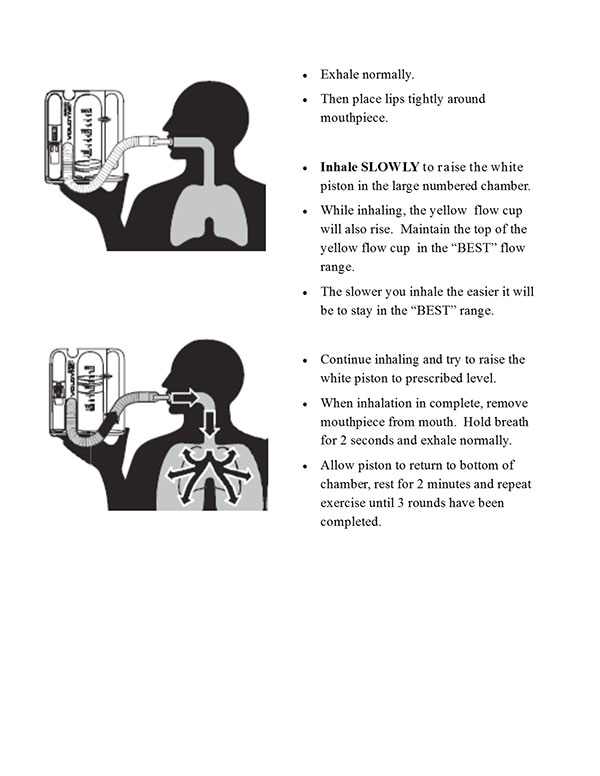
Incentive Spirometer Use Stony Brook Medicine

Incentive Spirometer Instructions Poster by Caregiverology Incentive
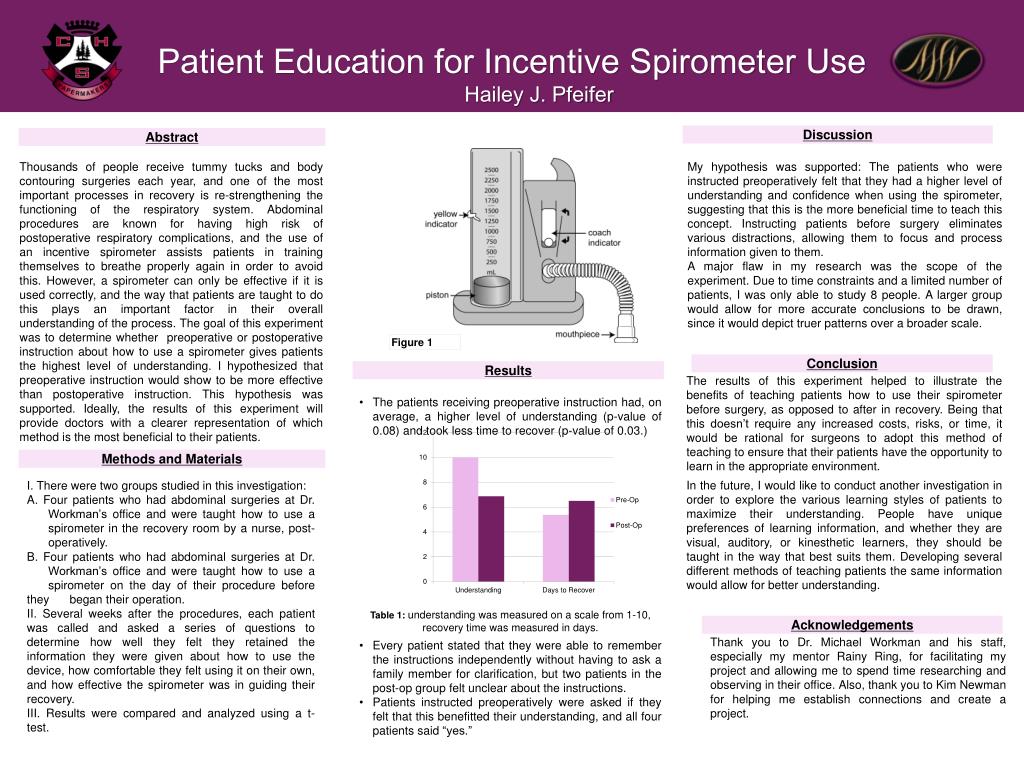
PPT Patient Education for Incentive Spirometer Use Hailey J. Pfeifer
How To Use an Incentive Spirometer Cleveland Clinic

How to Use an Incentive Spirometer A StepbyStep Guide
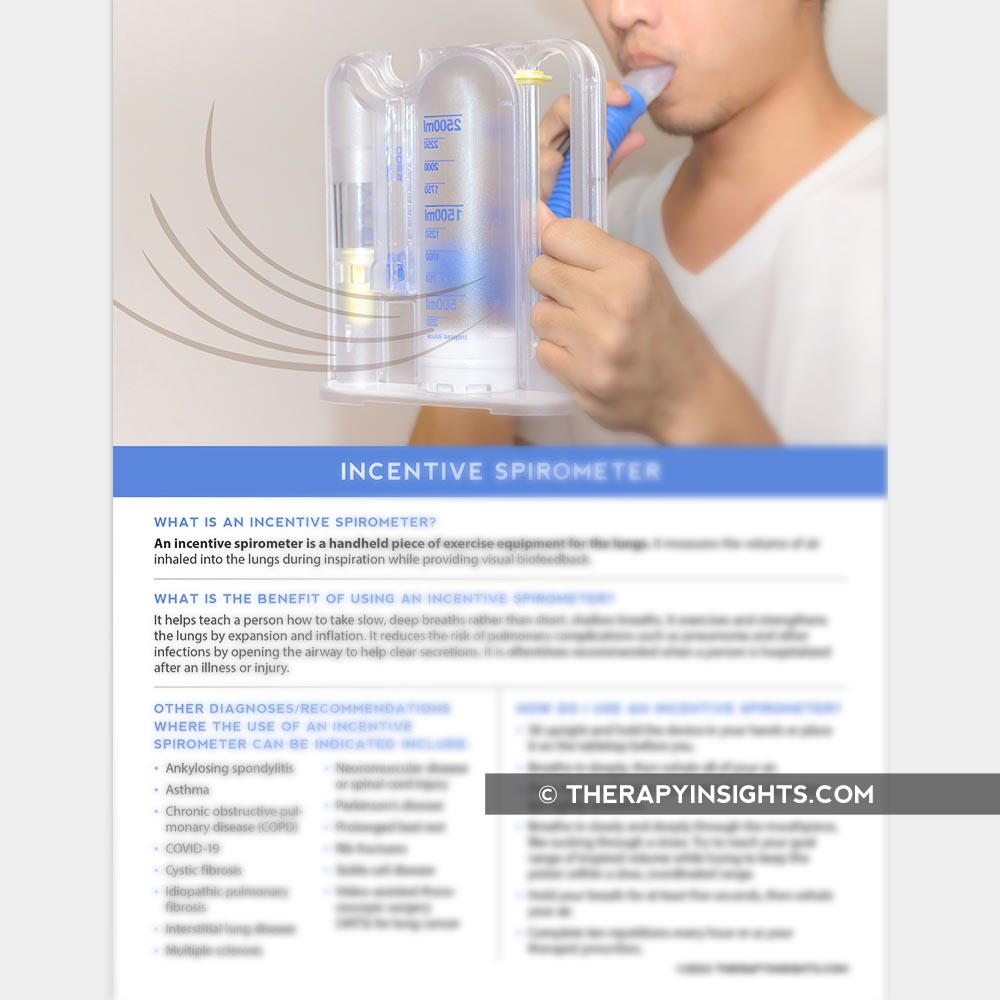
Incentive Spirometer Adult and pediatric printable resources for

Help your patients keep their lungs clear & healthy by teaching them
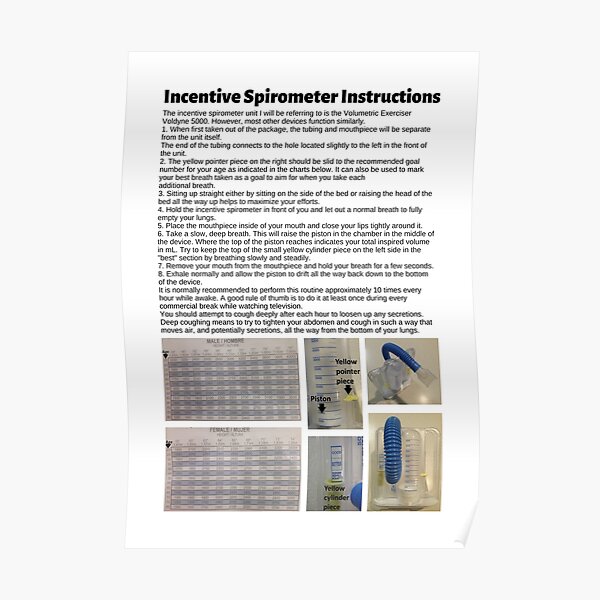
"Incentive Spirometer Instructions" Poster for Sale by Caregiverology
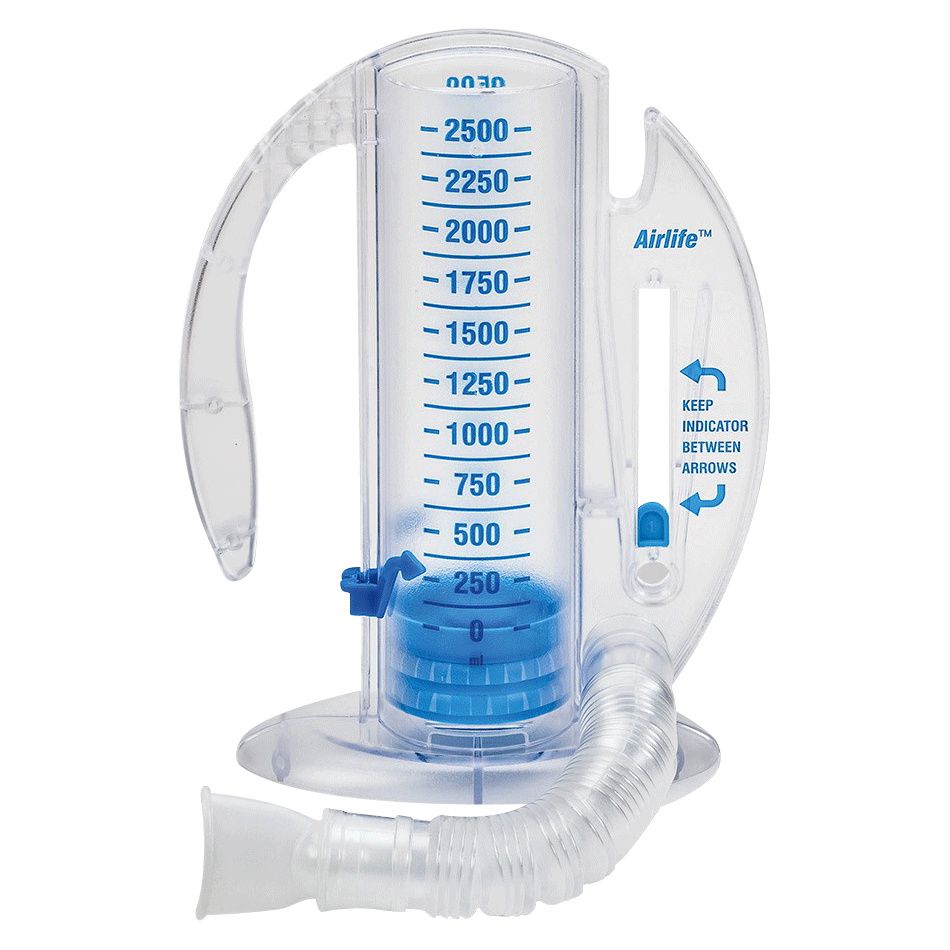
CareFusion AirLife Volumetric Incentive Spirometer Just Nebulizers
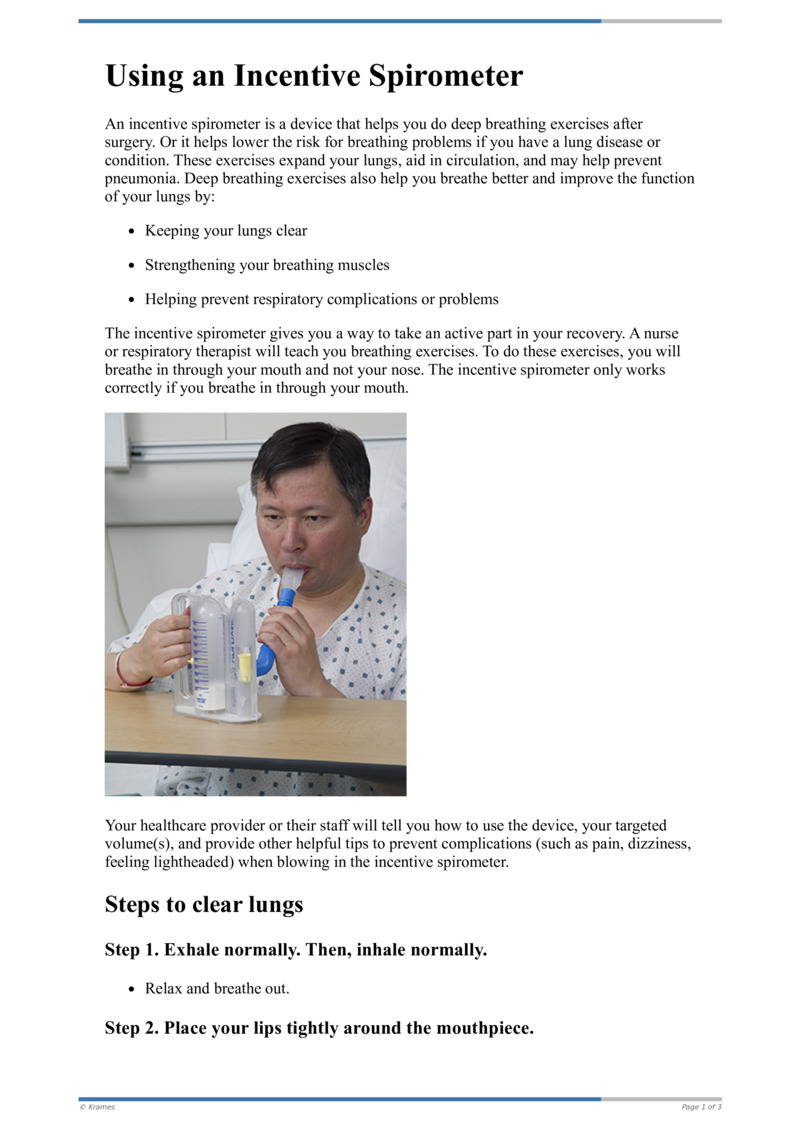
Text Using an Incentive Spirometer HealthClips Online
Experts In Lung Functionunique Technologysuperior Customer Support
How To Use The Incentive Spirometer 1.
An Incentive Spirometer Is A Simple Tool That Can Help You Learn To Take Long, Deep Breaths To Keep Your Lungs Clear And Active.
Using The Incentive Spirometer, Also Called A Breathing Exerciser, Helps You Take Deep Breaths To Open The Air Sacs In Your Lungs.
Related Post: